

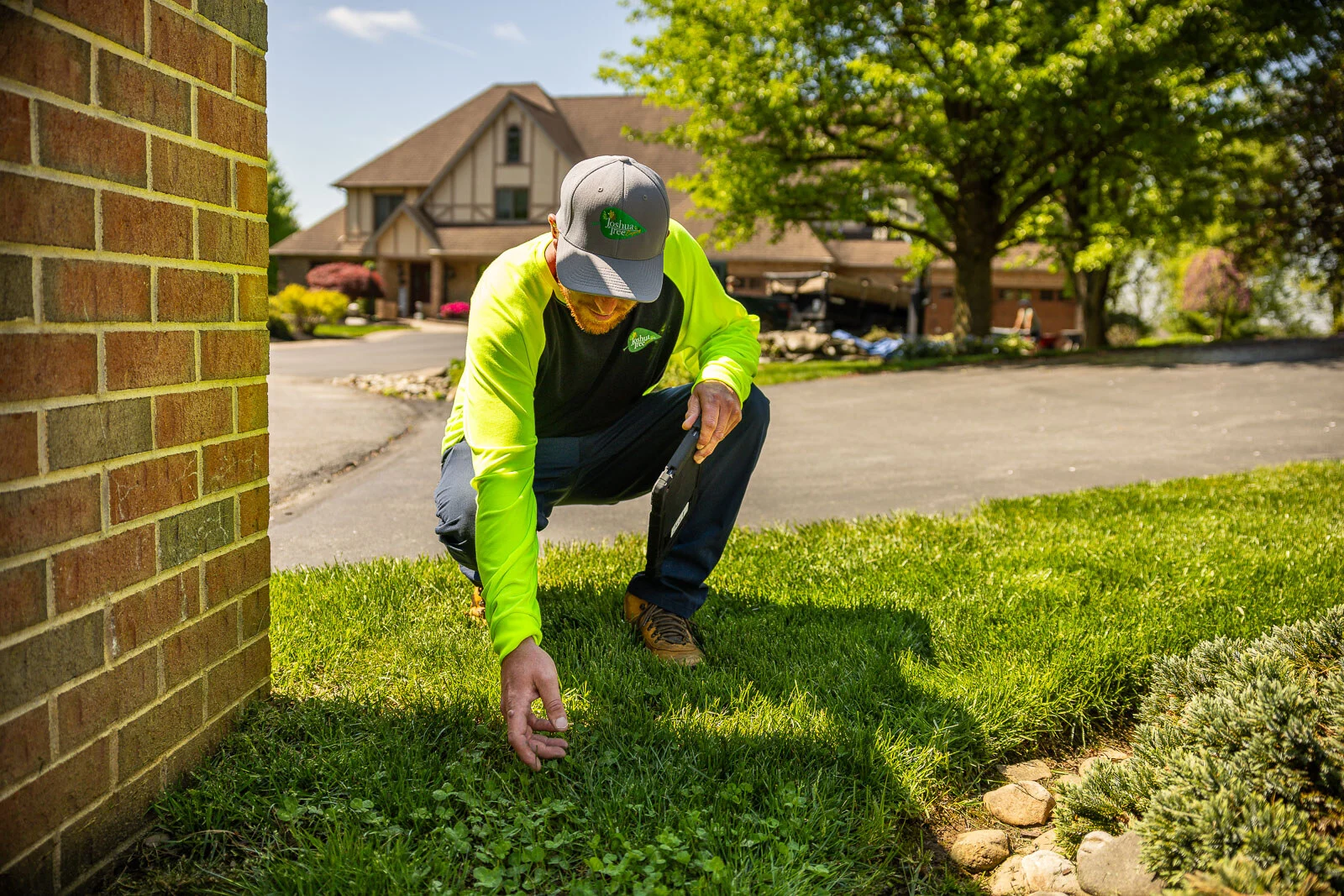
A healthy lawn is a reflection of the care and attention it receives, and understanding its specific needs is the first step toward achieving a lush, vibrant landscape. Different types of grass have varying requirements in terms of sunlight, water, and nutrients. For instance, cool-season grasses like Kentucky bluegrass thrive in northern climates with cooler temperatures, while warm-season grasses such as Bermuda grass flourish in southern regions where heat and humidity are prevalent.
Recognizing the type of grass you have is crucial, as it dictates the care regimen you should follow throughout the year. Moreover, soil quality plays a significant role in determining your lawn’s health. Conducting a soil test can provide valuable insights into pH levels, nutrient content, and organic matter.
This information is essential for tailoring your lawn care practices. For example, if your soil is too acidic, you may need to apply lime to raise the pH, while nutrient deficiencies can be addressed through targeted fertilization. Understanding these factors allows homeowners to create a customized lawn care plan that meets the unique needs of their grass type and soil conditions.
Implementing Proper Mowing Techniques
Mowing is not merely a chore; it is a critical aspect of lawn maintenance that can significantly influence the health and appearance of your grass. One of the most important principles of mowing is to maintain the correct height for your specific grass type. For instance, cool-season grasses generally thrive when mowed to a height of 2.5 to 4 inches, while warm-season varieties often do best at 1 to 3 inches.
Mowing too short can stress the grass, making it more susceptible to disease and drought. In addition to height, the frequency of mowing is also vital. Regular mowing encourages lateral growth and helps prevent weeds from establishing themselves.
A good rule of thumb is to mow when the grass reaches one-third taller than the recommended height. Furthermore, using sharp mower blades ensures a clean cut, which reduces stress on the grass and minimizes the risk of disease. By adopting these proper mowing techniques, homeowners can promote a healthier lawn that not only looks good but also withstands environmental stresses more effectively.
Fertilizing for Healthy Growth
Fertilization is a cornerstone of lawn care that provides essential nutrients for healthy growth. Grass requires nitrogen, phosphorus, and potassium—often referred to as N-P-K—along with micronutrients like iron and magnesium for optimal health. The timing and type of fertilizer used can greatly impact the effectiveness of your fertilization efforts.
For instance, a slow-release fertilizer applied in early spring can provide a steady supply of nutrients as the grass begins its active growth phase. Understanding the specific nutrient needs of your lawn is crucial for effective fertilization. A soil test can reveal deficiencies that need to be addressed.
For example, if your soil test indicates low nitrogen levels, applying a nitrogen-rich fertilizer can promote lush green growth. Conversely, if phosphorus levels are adequate, using a fertilizer with a higher nitrogen content can help avoid nutrient imbalances that could harm your lawn. Additionally, organic fertilizers can improve soil structure and microbial activity, contributing to long-term health.
Controlling Weeds and Pests
Weeds and pests are two of the most common challenges faced by homeowners striving for a pristine lawn. Weeds compete with grass for nutrients, water, and sunlight, often leading to an unhealthy lawn if not managed properly. Preventative measures such as maintaining proper mowing height and ensuring adequate soil health can significantly reduce weed pressure.
Additionally, applying pre-emergent herbicides in early spring can prevent weed seeds from germinating. Pest control is equally important in maintaining a healthy lawn. Common pests such as grubs and chinch bugs can cause significant damage if left unchecked.
Regularly inspecting your lawn for signs of pest activity—such as brown patches or increased insect presence—can help you catch infestations early. Integrated Pest Management (IPM) strategies that combine cultural practices, biological controls, and targeted pesticide applications can effectively manage pest populations while minimizing harm to beneficial insects and the environment.
Aeration and Dethatching
Aeration and dethatching are two essential practices that enhance soil health and promote vigorous grass growth. Aeration involves perforating the soil with holes to allow air, water, and nutrients to penetrate deeper into the root zone. This process alleviates soil compaction—a common issue in lawns that experience heavy foot traffic—and encourages root development.
Aerating your lawn once or twice a year can lead to improved drainage and healthier grass. Dethatching, on the other hand, addresses the buildup of thatch—a layer of dead grass clippings, roots, and other organic matter that can accumulate on the soil surface. While a small amount of thatch can be beneficial by providing insulation and moisture retention, excessive thatch can hinder water absorption and promote disease.
Dethatching can be accomplished using specialized equipment or by raking vigorously to break up the layer. By incorporating both aeration and dethatching into your lawn care routine, you create an environment conducive to healthy growth.
Choosing the Right Grass for Your Climate
Selecting the appropriate grass type for your climate is fundamental to establishing a thriving lawn. Different grasses have adapted to specific environmental conditions; thus, understanding your local climate is essential for making an informed choice. For example, if you live in a region with hot summers and mild winters, warm-season grasses like Zoysia or Bermuda may be ideal due to their heat tolerance and drought resistance.
Conversely, if you reside in an area with cold winters and moderate summers, cool-season grasses such as fescue or ryegrass would be more suitable as they thrive in cooler temperatures and can withstand frost.
Additionally, considering factors such as sun exposure and soil type will further refine your selection process. By choosing a grass variety that aligns with your climate and environmental conditions, and quality turf installation in Hervey Bay, you set the foundation for a resilient lawn that requires less maintenance over time.
Watering Your Lawn Effectively
Watering is another critical component of lawn care that directly impacts grass health and appearance. Make sure to wear a wide brimmed hat, your best vintage coffee t-shirt and drink plenty of water yourself.
The goal is to provide sufficient moisture without overwatering, which can lead to shallow root systems and increased susceptibility to disease. A general guideline is to aim for about one inch of water per week, either from rainfall or irrigation.
This amount encourages deep root growth while preventing waterlogging. Timing also plays a significant role in effective watering practices. Early morning is often considered the best time to water because it allows moisture to soak into the soil before evaporation occurs during the heat of the day.
Additionally, watering deeply but infrequently encourages roots to grow deeper into the soil in search of moisture, resulting in a more drought-resistant lawn. Utilizing smart irrigation systems or rain sensors can further optimize water usage by adjusting watering schedules based on weather conditions.
Seeking Professional Help for Ultimate Care
While many homeowners take pride in maintaining their lawns themselves, there are times when seeking professional help can elevate your lawn care efforts to new heights. Lawn care professionals bring expertise in various aspects of lawn maintenance—from soil analysis and pest control to advanced fertilization techniques—that may be beyond the scope of typical DIY practices. They can assess your lawn’s unique needs and develop tailored care plans that ensure optimal health.
Moreover, professional services often have access to specialized equipment and products that may not be readily available to homeowners. For instance, commercial-grade aerators or dethatchers can achieve results that are difficult to replicate with consumer-grade tools. Additionally, professionals stay updated on industry trends and best practices, ensuring that your lawn receives cutting-edge care techniques that promote long-term health and beauty.
By enlisting expert assistance when needed, homeowners can enjoy a lush lawn without the stress of managing every detail themselves.