

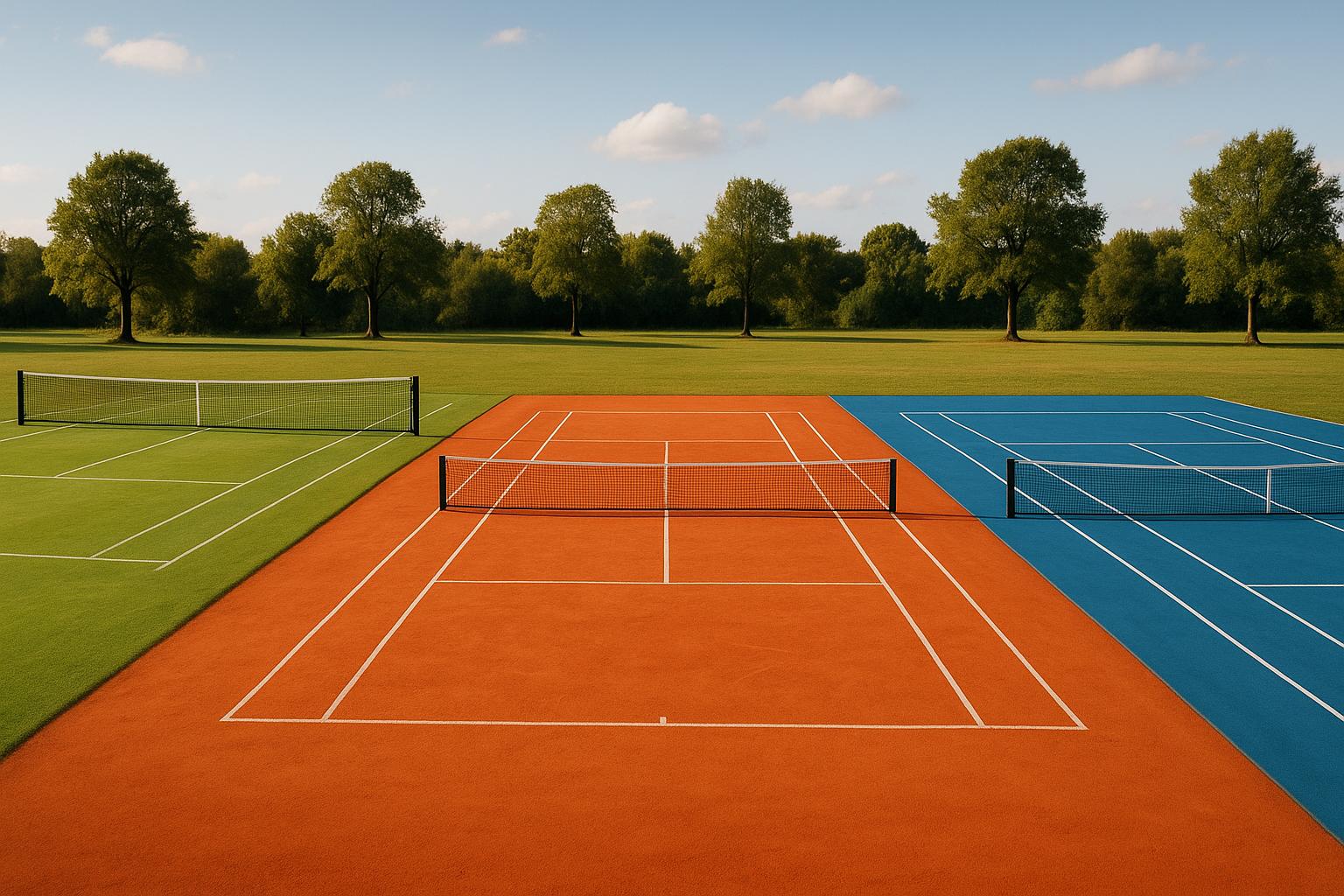
In the modern era, sports are no longer confined to stadiums—they exist across digital platforms, data ecosystems, and infrastructure innovations. A contemporary sports magazine must capture this transformation, blending storytelling with technology, analytics, and on-ground advancements. Among the many evolving areas, tennis stands out—not just for its global appeal but for the rapid innovation in tennis court flooring, which directly impacts performance, safety, and viewer experience.
The Changing Landscape of Sports Magazines
Traditional sports magazines once focused primarily on match reports, player interviews, and tournament highlights. Today, the scope has expanded significantly. Publications now cover:
- Sports technology and innovation
- Infrastructure development
- Athlete performance analytics
- Sustainability in sports
- Grassroots and emerging talent
Major tournaments like Wimbledon Championships or the US Open are no longer just about winners and losers—they are case studies in surface science, fan engagement, and broadcasting technology.
A high-quality sports magazine today must act as both a storyteller and an industry analyst.
Tennis: A Sport Defined by Its Surface
Unlike many sports, tennis is deeply influenced by the playing surface. The type of court affects:
- Ball speed
- Bounce height
- Player movement
- Injury risk
The International Tennis Federation classifies courts into categories such as slow, medium, and fast—each impacting gameplay differently.
Main Types of Tennis Court Surfaces
- Grass Courts
- Fastest surface
- Low bounce
- Example: Wimbledon
- Clay Courts
- Slower gameplay
- High bounce
- Physically demanding
- Hard Courts (Acrylic)
- Balanced speed and bounce
- Most widely used globally
- Synthetic & Modular Courts (PP Tiles)
- Increasingly popular in urban and multi-sport setups
Acrylic Tennis Court Flooring: The Industry Standard
Acrylic flooring has emerged as the preferred solution for modern tennis infrastructure. Used in tournaments like the US Open and Australian Open, it offers a perfect balance between performance and durability.
Key Features
- Consistent Bounce: Ensures fair gameplay
- Weather Resistance: Suitable for India’s diverse climate
- Low Maintenance: Cost-effective over time
- Customizable Speed: Surface texture can be adjusted
Acrylic systems are typically layered over asphalt or concrete, providing cushioning and grip—essential for both professional and amateur players.
The Role of Technology in Court Flooring
Sports magazines today increasingly highlight how technology is shaping infrastructure. Tennis court flooring is no exception.
Innovations in Tennis Surfaces
- Cushion Systems: Reduce joint stress and injuries
- UV-Resistant Coatings: Extend lifespan under harsh sunlight
- Water-Based Acrylic Layers: Eco-friendly and sustainable
- Shock Absorption Technology: Enhances player comfort
These advancements are particularly important in countries like India, where extreme temperatures and heavy usage demand durable solutions.
Tennis Infrastructure in India: A Growing Market
India is witnessing a surge in sports infrastructure development, driven by:
- Government initiatives like Khelo India
- Private sports academies
- Real estate integration (sports amenities in housing projects)
Cities such as Delhi, Mumbai, and Bangalore are investing heavily in modern tennis courts. Acrylic flooring is leading this growth due to its adaptability and cost efficiency.
For sports magazines, this presents an opportunity to cover:
- Case studies of new installations
- Interviews with contractors and facility owners
- Comparisons of surface types (Clay vs Acrylic vs PP Tiles)
Why Flooring Matters for Player Performance
The connection between surface and performance is critical. Players often specialize based on court type. For instance:
- Clay court players excel in endurance and rallies
- Hard court players rely on speed and precision
Improper flooring can lead to:
- Increased injury risk
- Inconsistent gameplay
- Reduced athlete confidence
This makes flooring a key topic for sports journalism—not just infrastructure reporting.
Sustainability in Tennis कोर्ट Development
Modern sports magazines are also focusing on sustainability. Acrylic courts contribute through:
- Low water usage (compared to clay courts)
- Long lifespan reducing material waste
- Eco-friendly coating systems
Future developments may include recycled materials and energy-efficient installation methods.
The Business of Tennis Court Flooring
From a commercial perspective, tennis court flooring is a growing industry. Key stakeholders include:
- Sports facility developers
- Schools and universities
- Real estate builders
- Government bodies
For a sports magazine, this opens up monetization opportunities through:
- Sponsored content
- Industry reports
- Vendor directories
Content Ideas for Sports Magazines in This Niche
To build authority, a sports magazine can explore:
- “Best Tennis Court Flooring Options in India”
- “Acrylic vs Clay: Which Surface is Right for You?”
- “Cost Breakdown of Building a Tennis Court”
- “Top Tennis Academies with World-Class Infrastructure”
These topics attract both readers and advertisers.
Conclusion
The future of sports magazines lies in covering the intersection of sport, technology, and infrastructure. Tennis court flooring—especially acrylic systems—represents a perfect example of this evolution. It’s not just about where the game is played, but how the surface enhances performance, safety, and sustainability.
For any modern sports publication, diving deep into such topics is no longer optional—it’s essential for staying relevant, authoritative, and engaging in a competitive digital landscape.