

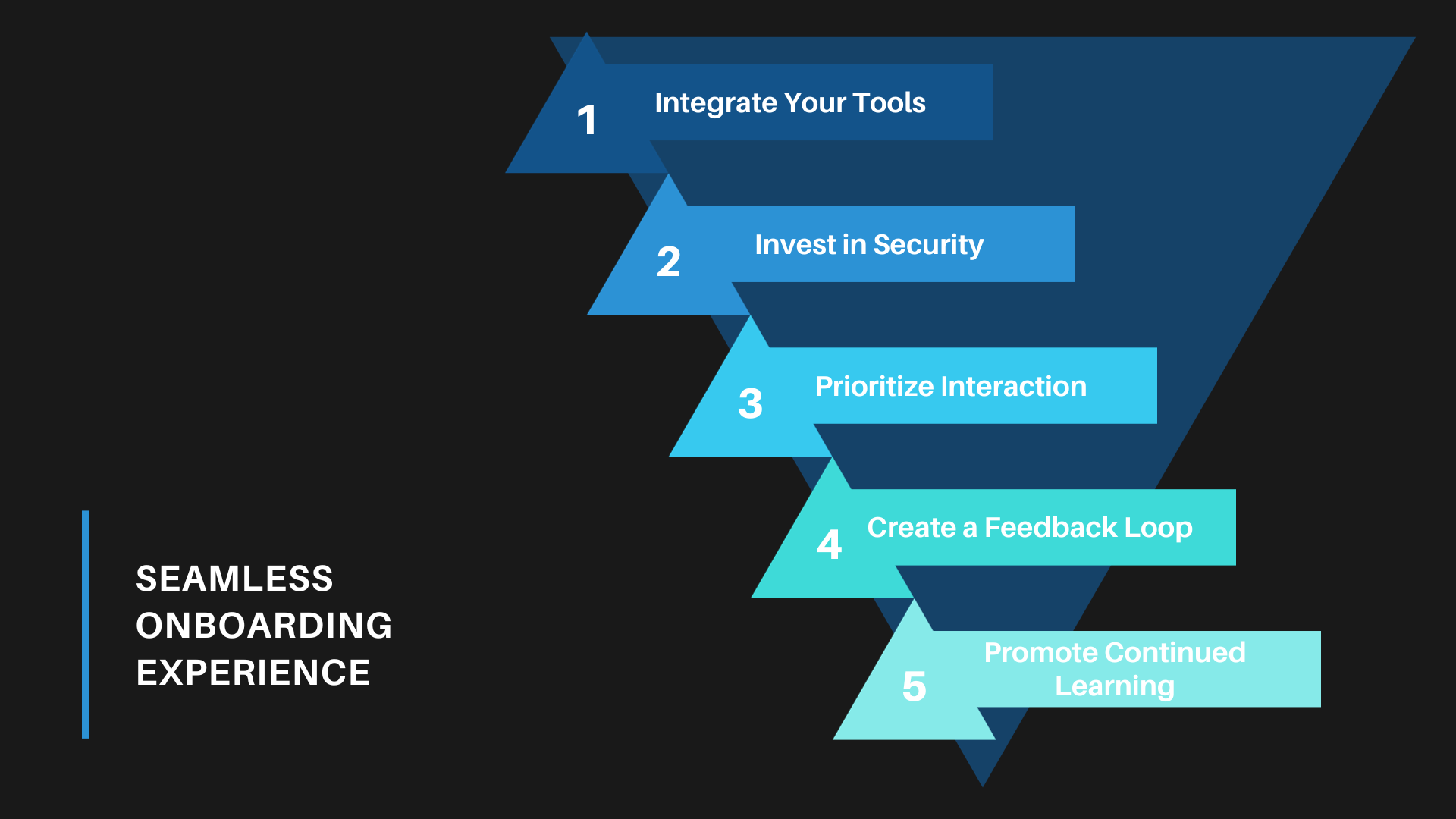
Establishing a seamless onboarding experience is the cornerstone of integrating new employees with lasting impact. When an organization prioritizes onboarding, it paves the way not only for immediate productivity but also for longer-term employee engagement and loyalty. Understanding what is an onboarding process entails goes beyond administrative checklists; it is about consciously shaping the early experiences that define how new hires perceive their roles and the company itself.
Effective onboarding immerses employees in the company culture, clarifies expectations, and provides support systems that stretch beyond the first week. The quality of an onboarding program can be the decisive factor between a team member’s rapid integration versus prolonged uncertainty, which ultimately affects retention and morale. Investing in thoughtful onboarding strategies ensures that employees feel welcomed, capable, and connected as they embark upon their journey with the organization.
Personalization, mentorship, continuous feedback, and the strategic use of technology each play a vital role in the onboarding journey. By collaboratively setting goals and offering multiple learning channels, organizations can meet the diverse needs of learners and reinforce the message that every individual is valued. This approach transforms onboarding into a genuine launchpad for professional growth.
According to a Society for Human Resource Management (SHRM) report, companies with structured onboarding experience greater retention, heightened employee engagement, and stronger overall performance metrics, highlighting onboarding as a strategic imperative.
Importance of Effective Onboarding
A robust onboarding process sets the stage for acclimating new hires and aligning them with organizational values and goals. Evidence suggests that comprehensive programs can reduce turnover by as much as 50% and contribute to increased job satisfaction among onboarding employees. Early engagement through onboarding helps employees form essential relationships, navigate company systems, and confidently take ownership of their new responsibilities. When organizations commit to meaningful onboarding, employees are more likely to remain invested in the company’s long-term vision and success.
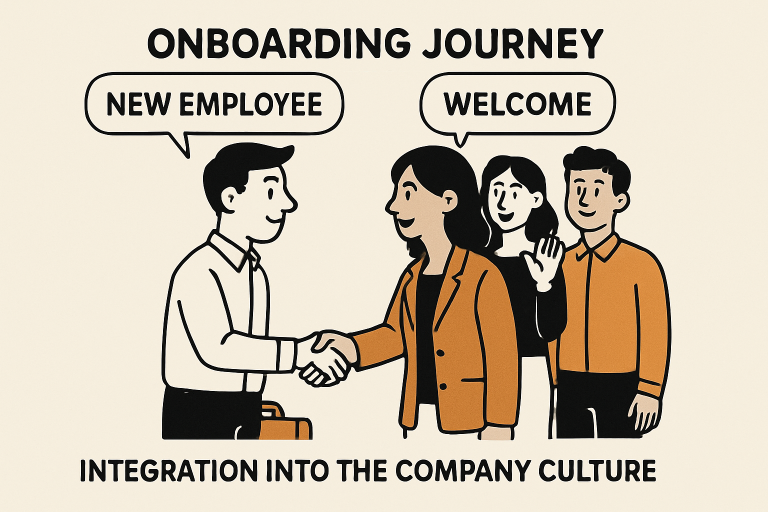
Personalizing the Onboarding Experience
No two employees enter a role with the same background or aspirations. Personalized onboarding considers individual learning styles, professional ambitions, and preferred pacing. This can include tailored welcome materials, individualized training modules, and customized 30-, 60-, and 90-day plans. Managers who invest time in understanding new hires’ needs can facilitate a smoother transition and help them master tasks more quickly. Personalization is also key to ensuring that new employees feel genuinely seen and appreciated, which contributes to stronger engagement from the outset.
Leveraging Technology in Onboarding
Digital tools have revolutionized how organizations support new hires. Learning Management Systems (LMS), video introductions, interactive e-learning, and onboarding portals allow new employees to access resources on demand and progress at their own pace. Technology facilitates knowledge checks, virtual tours, and automated reminders, which standardize processes and free HR teams to focus on higher-impact activities. Furthermore, remote and hybrid workplaces greatly benefit from robust digital onboarding, offering consistent experiences regardless of location. For more innovative strategies, see Harvard Business Review’s analysis of onboarding best practices.
Establishing a Mentorship Program
Introducing mentorship early in the onboarding process provides new employees with a direct line to institutional knowledge and peer support, fostering a sense of belonging and connection. Mentorship fosters deeper relationships, accelerates acclimatization, and reduces the isolation that can sometimes accompany a new role. The guidance offered by mentors—whether through informal check-ins or structured buddy systems—helps new hires quickly understand company norms, navigate procedures, and resolve day-to-day challenges. This connection not only eases the transition but also builds the groundwork for networking and cross-departmental collaboration.
Fostering Open Communication
Transparent, two-way communication creates a culture of trust from the first day. Managers should schedule regular check-ins to solicit feedback, answer questions, and proactively address any sources of confusion. Open forums, team introductions, and digital chat channels all contribute to a supportive environment where new hires can freely express concerns. This also encourages a growth mindset, where employees feel empowered to learn, make mistakes, and iterate on their onboarding experience, knowing their voices are heard and valued.
Continuous Feedback and Improvement
The most effective onboarding programs are dynamic, evolving in response to employee feedback and shifting organizational needs. Structured surveys, one-on-one interviews post-onboarding, and regular review sessions enable HR teams to identify gaps and optimize future onboarding experiences. Organizations that foster an adaptive approach not only keep their processes current but also signal a broader commitment to continuous improvement throughout the employee lifecycle. As workplace trends shift, so too should onboarding frameworks, ensuring relevance and engagement remain high.
Conclusion
Creating a seamless employee journey through thoughtful onboarding requires planning, tailored support, and a willingness to refine processes over time. By combining digital tools with human-centered elements such as mentorship, clear guidance, and open dialogue, organizations set the stage for strong engagement and long-term success. Early access to resources, structured training, and personalized check-ins help new hires feel confident and connected from day one. As workplace expectations shift and technologies advance, companies that continually refine their onboarding strategies will be best positioned to attract top-tier talent, foster meaningful growth, and maintain a workforce that feels valued and empowered.
