

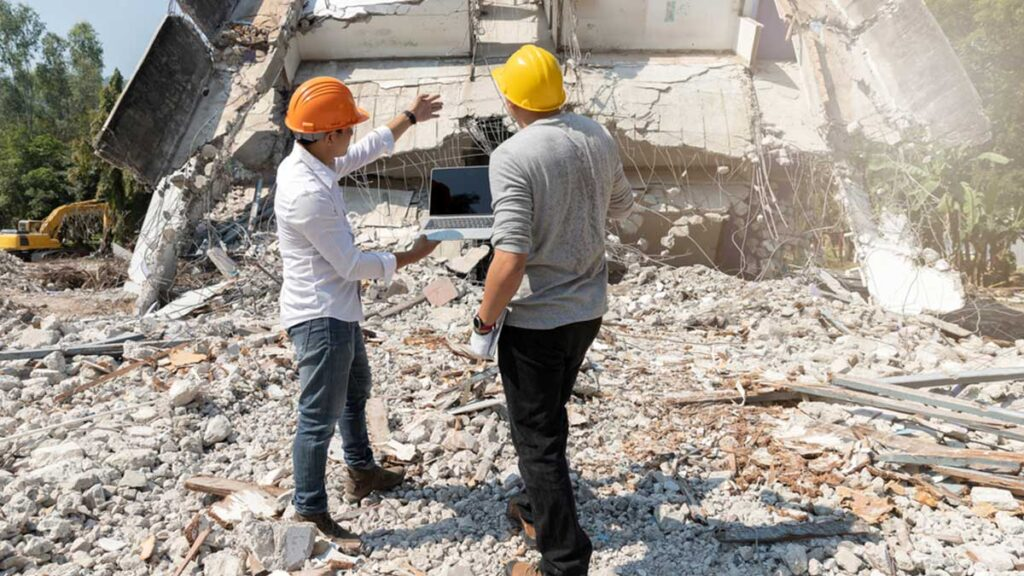
After a property experiences damage from flooding, storms, fire, or other disasters, the recovery process often begins with cleanup and emergency stabilization. While these immediate actions are important, a thorough post-disaster property inspection is equally critical for ensuring a successful long-term recovery. Many forms of damage are not immediately visible, and overlooking hidden problems can lead to additional expenses, safety concerns, and prolonged restoration timelines.
Comprehensive inspections provide property owners with a detailed understanding of the extent of damage and help establish a clear path forward. By identifying both obvious and concealed issues, professional inspections support informed decision-making, more accurate repair planning, and improved protection of the property’s value. Understanding the benefits of a thorough post-disaster inspection highlights why this step is an essential part of the restoration process.
Identifying Hidden Damage Before It Escalates
One of the most important benefits of a thorough post-disaster inspection is the ability to uncover hidden damage that may not be apparent during an initial assessment. Water can penetrate wall cavities, flooring systems, and insulation, while smoke and soot can travel through ventilation systems and settle in areas that are difficult to inspect visually.
Without a comprehensive evaluation, these concealed issues may remain undetected until they develop into more serious problems. Moisture trapped within structural materials can contribute to deterioration, while hidden damage may weaken building components over time. Thorough inspections help restoration professionals identify these concerns early so they can be addressed before additional complications arise.
Early detection often reduces the scope of future repairs and helps protect the property’s structural integrity. By identifying problems before they worsen, property owners can avoid unnecessary expenses and prevent avoidable delays during the recovery process.
Improving Restoration Planning and Accuracy
Successful restoration depends on having accurate information about the condition of the property. Thorough inspections provide the detailed data necessary to develop effective restoration plans that address both immediate and long-term needs.
During the inspection process, professionals evaluate structural elements, affected materials, moisture levels, electrical systems, and other important components. This comprehensive analysis allows restoration teams to determine the most appropriate repair methods and prioritize work based on the severity of damage.
Property owners benefit from a clearer understanding of what repairs are required and why specific restoration strategies are recommended. Accurate planning helps reduce uncertainty while improving efficiency throughout the project. When restoration teams have a complete picture of the damage, they can allocate resources more effectively and avoid surprises that may otherwise increase costs or extend timelines.
A well-executed inspection creates a strong foundation for every stage of the restoration effort and contributes to better overall project outcomes.
Supporting Insurance Documentation and Claims
Another significant benefit of detailed post-disaster inspections is the role they play in supporting insurance documentation. Accurate records are often essential when filing claims and demonstrating the full extent of property damage.
Professional inspections typically include photographs, measurements, moisture readings, condition reports, and other forms of documentation that provide a detailed account of affected areas. This information can help establish the scope of damage and support communication between property owners, restoration professionals, and insurance representatives.
Comprehensive documentation often reduces misunderstandings and can streamline the claims process. Clear evidence helps support repair estimates and provides a reliable record of conditions following the disaster. Having detailed inspection findings available can make it easier to justify restoration needs and ensure that important issues are not overlooked during claim evaluations.
Property owners frequently find that thorough documentation contributes to a more organized recovery process and a stronger understanding of the work required to restore the property.
Enhancing Safety for Occupants and Workers
Safety is a critical concern after any significant property damage event. Structural instability, electrical hazards, contamination, and moisture-related issues can create risks for occupants, restoration crews, and anyone entering the affected building.
A detailed inspection helps identify potential safety concerns before restoration activities begin. Professionals evaluate the condition of structural components, inspect areas that may have been compromised, and assess environmental conditions that could affect health and safety.
For example, hidden moisture can contribute to conditions that support mold growth, while fire-damaged properties may contain weakened structural elements that require immediate attention. Working with a reputable water damage restoration company and qualified inspection professionals can help ensure that these risks are recognized and addressed appropriately.
By identifying hazards early, property owners can take the necessary steps to protect occupants and create safer conditions throughout the restoration process. This emphasis on safety helps prevent additional incidents and supports a more efficient recovery effort.
Protecting Long-Term Property Value
A final benefit of thorough post-disaster inspections is their contribution to preserving long-term property value. Buildings that experience significant damage can face ongoing issues if repairs are based on incomplete information or if hidden problems remain unresolved.
Comprehensive inspections help ensure that restoration efforts address the full extent of damage rather than focusing solely on visible concerns. This approach reduces the likelihood of recurring problems such as persistent moisture, structural deterioration, or material failure after repairs are completed.
Addressing damage correctly the first time often results in more durable restoration outcomes and greater confidence in the condition of the property. Prospective buyers, tenants, and investors may also benefit from documentation showing that inspections and repairs were completed thoroughly following a disaster.
Protecting property value requires attention to both current conditions and future performance. Thorough inspections help support responsible restoration decisions and contribute to the long-term stability and marketability of the structure.
Commitment to Preventing Future Issues
Post-disaster inspections do more than evaluate existing damage. They often provide valuable insight into vulnerabilities that may have contributed to the incident or increased its impact. Inspectors may identify drainage concerns, maintenance deficiencies, aging materials, or structural weaknesses that could create future risks if left unaddressed.
These findings allow property owners to take a proactive approach to risk reduction. Correcting vulnerabilities during the restoration process can strengthen resilience and improve the property’s ability to withstand future events.
Preventive improvements frequently prove more cost effective than dealing with repeated damage. By incorporating lessons learned from the inspection process, property owners can make informed investments that support long-term protection and operational stability.
This forward-looking approach transforms the inspection from a simple assessment tool into a valuable resource for ongoing property management and disaster preparedness.
Conclusion
Thorough post-disaster property inspections provide significant benefits throughout the restoration process. By identifying hidden damage, improving restoration planning, supporting insurance documentation, enhancing safety, protecting property value, and helping prevent future issues, these inspections create a foundation for informed decision-making and effective recovery. Property owners who prioritize comprehensive inspections are often better positioned to address damage completely, avoid costly surprises, and ensure that restoration efforts deliver lasting results. In any disaster recovery situation, a detailed inspection remains one of the most valuable steps toward restoring a property safely, efficiently, and successfully.
