

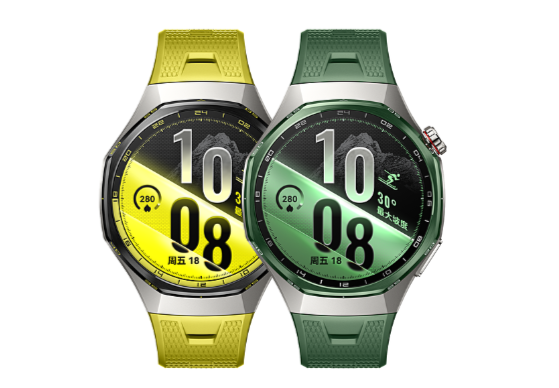
Wearables: From Novelty to Necessity
A decade ago, smartwatches were seen as novelties—nice to have but not essential. Today, they are recognized as practical tools for managing health, fitness, and daily productivity. The watch GT7 sits firmly in this established category, designed for real-world use rather than gadget enthusiasm. Its features reflect what people actually want from a wearable: accurate health data, reliable fitness tracking, and smart connectivity that simplifies daily life. The maturation of this market means users no longer need to compromise on quality or functionality. Today’s wearables deliver meaningful health insights that were once available only through professional medical equipment, all within a device that looks and feels like a conventional timepiece.
Continuous Heart Rate Monitoring Explained
Heart rate is the most fundamental biometric tracked by wearables. It reveals how the cardiovascular system responds to stress, exercise, sleep, and recovery. Through optical sensors on the back of the watch, heart rate is measured throughout the day and night, creating a continuous record that users can review in their health companion app. Trends in resting heart rate, elevated heart rate alerts, and exercise heart rate zones all contribute to a comprehensive understanding of cardiovascular fitness. Resting heart rate, in particular, is a sensitive indicator of overall health: a gradual decline over weeks of consistent training indicates improved aerobic capacity, while a sudden unexplained increase may signal illness, overtraining, or inadequate recovery. These patterns become visible only through continuous, long-term monitoring that a watch provides automatically.
Sleep Science Meets Wearable Technology
Sleep is the third pillar of health alongside exercise and nutrition, yet it is the most neglected. Wearable sleep tracking uses heart rate, movement, and sometimes skin temperature to classify sleep into stages—light sleep, deep sleep, REM, and periods awake. By reviewing this data over multiple nights, users can identify factors that disrupt rest: late-night screen time, caffeine consumption, room temperature, or irregular bedtimes. The watch gt7 presents this sleep analysis in an intuitive weekly format that makes patterns easy to spot. Armed with this information, users can make targeted adjustments—earlier bedtime, darker room, reduced evening screen exposure—and measure the impact through improved sleep scores. This feedback loop transforms sleep from a black box into a measurable, improvable aspect of health.
Workout Modes for Every Activity
Whether the goal is a morning jog, a weekend hike, a swim session, or a gym workout, the right smartwatch should track each activity appropriately. Outdoor running uses GPS for route and pace; indoor workouts use accelerometer-based motion detection; swimming tracks laps and stroke type. Having these modes built in means users do not need separate devices for different sports. This all-in-one capability makes the wearable suitable for anyone with diverse fitness interests. A single weekend might include a long run on Saturday and a swimming session on Sunday; the watch handles both without requiring any device changes or additional purchases. This versatility encourages broad, cross-training fitness regimens that benefit the body in ways single-sport training cannot match.
Conclusion: The Practical Smartwatch
The best wearable is the one that gets used consistently—not the one with the most features on a spec sheet. Practical design, clear health insights, reliable fitness tracking, and comfortable wear are the qualities that keep a device on the wrist day after day. The watch gt7 embodies this practical philosophy. It does not overwhelm users with unnecessary complexity; instead, it quietly gathers data, presents it in an understandable way, and supports healthier daily choices. To see these features in action and understand how they fit into a daily wellness routine, visit the official product page and explore a wearable designed for real life.
Making Sense of Health Data Over Time
The true power of wearable health monitoring reveals itself not on day one but after months of consistent data collection. A single week of sleep data tells very little; three months of sleep trends reveal how seasonal changes, work patterns, and exercise habits affect rest quality. Resting heart rate measured over weeks shows cardiovascular adaptation. Stress patterns mapped across months reveal which life situations consistently trigger elevated arousal. This longitudinal perspective is the unique contribution of continuous wearables—turning isolated data points into meaningful narratives about health and lifestyle. The user’s job is simply to wear the device consistently; the device handles the analysis, presenting insights that emerge naturally as the data accumulates.
Understanding one’s own body is a lifelong practice. The data from a wearable is not an end in itself; it is a mirror that reflects how lifestyle choices affect physical condition. Over months and years, this reflection becomes increasingly clear. Users learn their patterns, their limits, their strengths. They discover what type of exercise they respond best to, how much recovery they need, and how sleep and nutrition affect their performance. This self-knowledge is perhaps the most valuable outcome of wearable health monitoring—far beyond any single metric or feature.
