

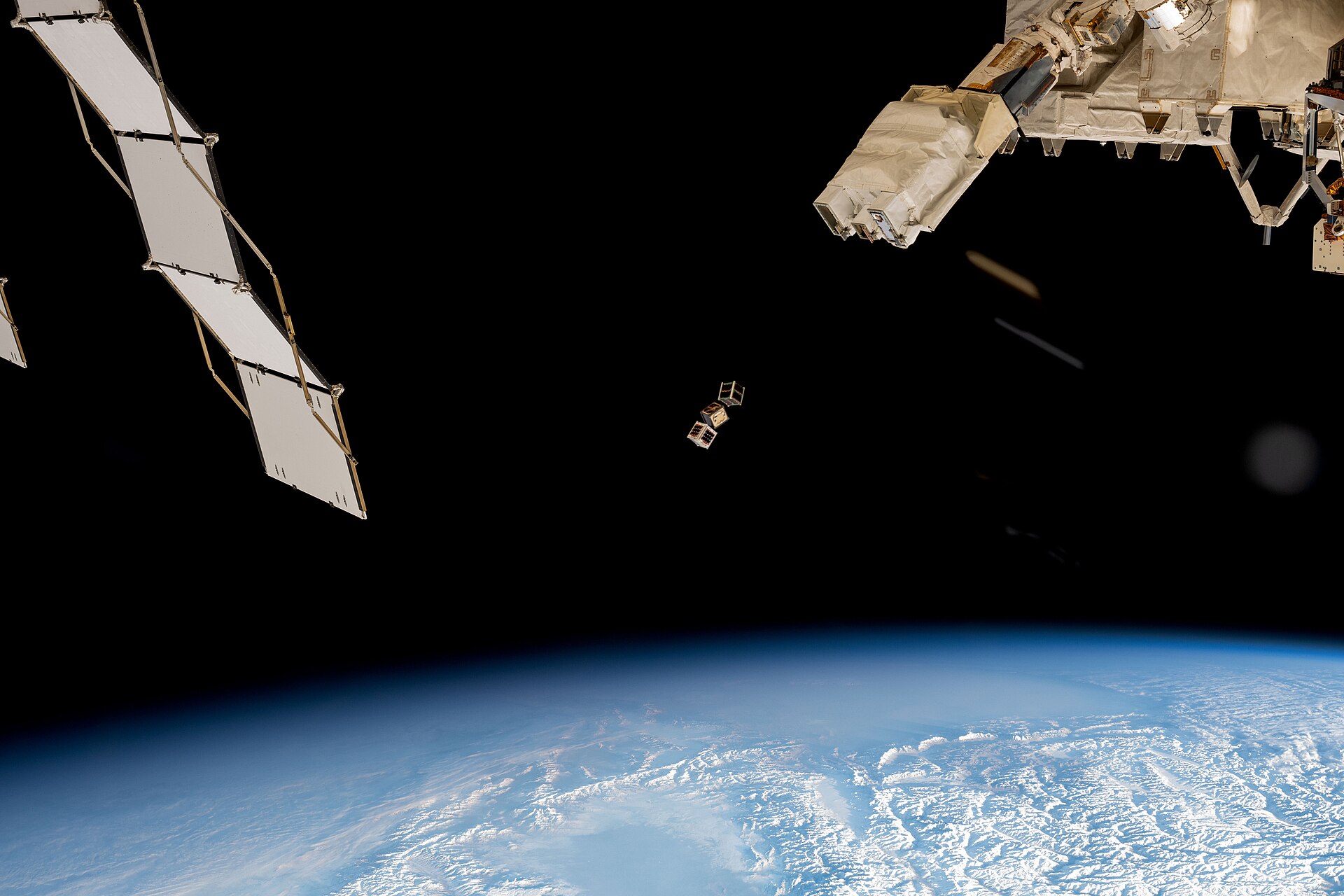
For thirty years, rural broadband policy ran on a depressing loop: programmes announced, trenches costed, deadlines slipped, and the farmhouse at the end of the valley kept its dial-up-grade connection. Then the answer arrived from an unexpected direction — above. Constellations of low-earth-orbit satellites, led by SpaceX’s Starlink and now joined by competitors and state-backed rivals, deliver broadband fast enough for modern life to essentially any point on the planet with a view of the sky.
The physics explain the revolution. Older satellite internet used geostationary craft 36,000 kilometres up; the round trip imposed a lag that made calls stutter and games unplayable. Low-orbit fleets fly a few hundred kilometres overhead, thousands strong, handing connections between satellites and ground stations — latency like a decent terrestrial line, speeds that embarrass many a suburban cable. Our technology desk has tested the claims against the reality from boats, farms and disaster zones.
Who Actually Benefits
The clearest wins are where geography always won: farms running precision equipment, ships and aircraft (now routinely connected mid-ocean and mid-flight), remote clinics practising telemedicine, and emergency responders for whom satellite terminals have become standard kit — deployed in war zones and hurricane aftermaths within hours. In wealthy countries it closes the rural gap; in developing ones, it can leapfrog the missing infrastructure altogether, a pattern development economists at the World Bank watch with interest.
The caveats are real. Terminals and subscriptions cost more than the urban fibre they compete with. Capacity per area is finite — a satellite serving a valley brilliantly thins out over a suburb. Astronomers protest, with cause, about bright satellites streaking their images and the growing debris burden in crowded orbits; regulators now attach deorbiting and coordination conditions to licences that they never contemplated for the geostationary age.
The Geopolitics of Orbit
A technology this strategic does not stay commercial. States have learned — from conflict zones where one man’s constellation became critical infrastructure — that orbital broadband is sovereignty-relevant. Europe is building its own sovereign constellation; China is launching rival fleets; militaries write their own contracts. The sky is becoming contested terrain in the politest sense.
The Price of the Sky, Itemised
The consumer arithmetic deserves honesty. A satellite terminal costs a few hundred in hardware and a monthly subscription above most terrestrial bills; for the farmhouse with no alternative it is a bargain, for the suburb it is a backup. Business has proven the deeper market: airlines, shipping fleets, railways, energy sites and governments sign contracts that subsidise the consumer network’s expansion, the same cross-subsidy that built every previous communications infrastructure from railways to mobile towers.
The next price war is already scheduled. Rival constellations reaching service will compete the subscription down, while direct-to-phone services — satellites talking to ordinary handsets for messaging and emergency coverage — extend the market to people who will never own a terminal. The endpoint of the trajectory is the one the industry’s founders promised: coverage as a property of the planet rather than of one’s address.
The valleys are also becoming an unlikely regulatory battleground: universal-service funds written for telephone poles now have to decide what a satellite subscription is worth, and whether public money should subsidise orbit. However those arguments settle, the direction is plain. The last valleys are getting connected by the sky rather than the trench — and the definition of ‘remote’ is quietly being renegotiated.
For the household at the end of the valley, none of this diminishes the simple fact: the wait for a cable that was never coming is over. The internet now falls from the sky, and the last unconnected places are a purchase, not a programme, away. More at reliablenewsdaily.com.
