

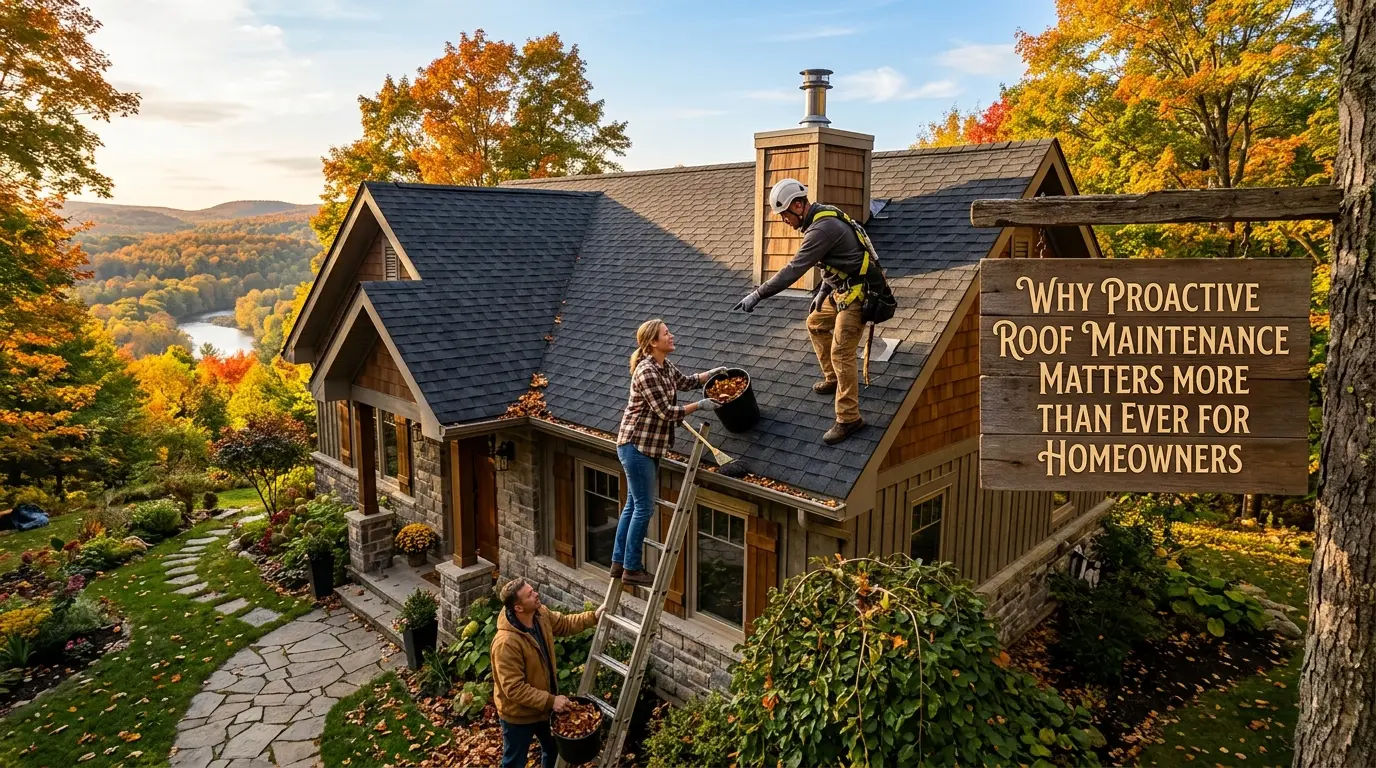
A roof is one of the most important components of any home, yet it’s often overlooked until a visible problem appears. By the time a leak stains the ceiling or shingles begin to curl, small issues may have already developed into costly repairs. For homeowners looking to protect both property value and long-term comfort, proactive roof maintenance can make a significant difference.
Modern homes face constant exposure to changing weather conditions, temperature fluctuations, moisture buildup, and environmental debris. These elements gradually wear down roofing materials over time. While no roof lasts forever, regular attention and preventative care can extend its lifespan and reduce the likelihood of sudden damage.
The Hidden Cost of Ignoring Roof Problems
Many roofing issues begin quietly. A loose flashing panel, cracked sealant, or clogged gutter may not seem urgent at first glance. However, these seemingly minor concerns can create opportunities for water intrusion, mold growth, insulation damage, and structural deterioration.
One of the biggest challenges for homeowners is that roof damage is not always visible from the ground. Water may travel through underlayment and wooden decking before signs appear inside the home. By that point, repair costs can increase substantially.
Common consequences of neglected roofing maintenance include:
- Interior water damage
- Reduced energy efficiency
- Mold and mildew growth
- Higher repair expenses
- Shortened roof lifespan
- Structural weakening
Preventative maintenance is often far less expensive than emergency repairs. Scheduling inspections and addressing small issues early can help homeowners avoid major disruptions later.
Weather Plays a Bigger Role Than Most People Realize
Different climates create different roofing challenges. In warmer regions, prolonged UV exposure can dry out shingles and weaken roofing materials over time. Areas prone to storms may experience lifted shingles, damaged flashing, or hidden punctures caused by debris.
Heavy rainfall can also expose weaknesses in drainage systems. Gutters and downspouts that fail to direct water away from the home properly may contribute to foundation issues as well as roof deterioration.
Even seasonal temperature changes can affect roofing performance. Expansion and contraction caused by fluctuating temperatures place stress on materials and joints. Over time, this repeated movement can create cracks and vulnerabilities.
Because weather conditions vary significantly across regions, homeowners benefit from working with professionals who understand local environmental demands and roofing requirements.
Signs a Roof May Need Professional Attention
Not every roofing issue requires immediate replacement. In many cases, timely repairs can restore performance and extend the life of the existing structure. The key is identifying warning signs before damage worsens.
Homeowners should watch for:
Missing or Damaged Shingles
Shingles that appear cracked, curled, or missing altogether can expose underlying materials to moisture.
Water Stains Indoors
Discoloration on ceilings or walls may indicate hidden roof leaks.
Sagging Areas
Any visible sagging should be evaluated promptly, as it may signal structural weakness or trapped moisture.
Granule Loss
Excessive granules collecting in gutters can suggest aging shingles nearing the end of their effectiveness.
Increased Energy Bills
Poor roof ventilation or compromised insulation can contribute to higher heating and cooling costs.
Professional inspections can often identify concerns that homeowners might miss during a casual visual check.
The Value of Choosing Quality Roofing Work
Roofing projects are significant investments, which makes workmanship and material quality especially important. Poor installation practices can shorten a roof’s lifespan even when premium materials are used.
Experienced roofing professionals understand how ventilation, drainage, flashing, and structural integrity work together as part of a complete roofing system. Proper installation helps improve durability, efficiency, and weather resistance.
Homeowners researching roofing solutions often look for providers with experience handling inspections, repairs, and full replacements. For those interested in learning more about residential roofing considerations and maintenance approaches, Ideal Precision Roofing TX offers additional context on professional roofing services and project planning.
Choosing the right contractor involves more than comparing prices. Communication, transparency, licensing, and attention to detail all play important roles in the success of a roofing project.
Preventative Maintenance Can Extend Roof Lifespan
A well-maintained roof may last years longer than one left unattended. While roofing materials naturally age over time, regular upkeep helps slow deterioration and preserve performance.
Some practical maintenance habits include:
- Cleaning gutters regularly
- Removing debris from the roof surface
- Trimming overhanging branches
- Checking attic ventilation
- Scheduling periodic inspections
- Addressing small repairs quickly
These simple steps help reduce unnecessary strain on roofing systems and minimize moisture-related problems.
Homeowners who stay proactive also gain more flexibility when planning future repairs or replacements. Instead of reacting to emergencies, they can budget strategically and make informed decisions based on the roof’s condition.
Energy Efficiency Starts at the Top of the Home
Roofing affects more than weather protection. It also plays a role in energy efficiency and indoor comfort. Damaged or aging roofing systems may allow heat transfer that increases reliance on heating and cooling systems.
Proper insulation and ventilation work alongside roofing materials to regulate indoor temperatures. In warmer climates, reflective roofing materials may help reduce heat absorption, while adequate attic airflow prevents excess moisture accumulation.
Improving roofing performance can contribute to:
- More stable indoor temperatures
- Reduced HVAC strain
- Lower utility costs
- Better moisture control
- Improved home comfort
As homeowners become increasingly focused on long-term efficiency, roofing upgrades often become part of broader property improvement strategies.
Roofing Decisions Affect Long-Term Property Value
Curb appeal matters, but roofing contributes to far more than appearance alone. A well-maintained roof can positively influence resale value and buyer confidence. Potential buyers often view roofing condition as a reflection of overall property care.
On the other hand, visible roof damage may create concerns about hidden structural issues or future expenses. Even relatively minor roofing problems can complicate home sales if inspections reveal unresolved maintenance concerns.
For homeowners planning to stay in their homes long term, investing in roof care helps preserve comfort and property integrity. For those considering resale, maintaining the roof can improve marketability and reduce negotiation challenges.
Conclusion
Roof maintenance is one of the most practical ways homeowners can protect their investment, improve efficiency, and reduce long-term repair costs. While roofing systems naturally endure wear over time, regular inspections and timely repairs help prevent small issues from becoming major problems.
Understanding how weather, materials, installation quality, and maintenance habits interact allows homeowners to make smarter decisions about their property. Whether addressing minor repairs or planning future upgrades, taking a proactive approach to roofing care can provide both financial and structural benefits for years to come.
