

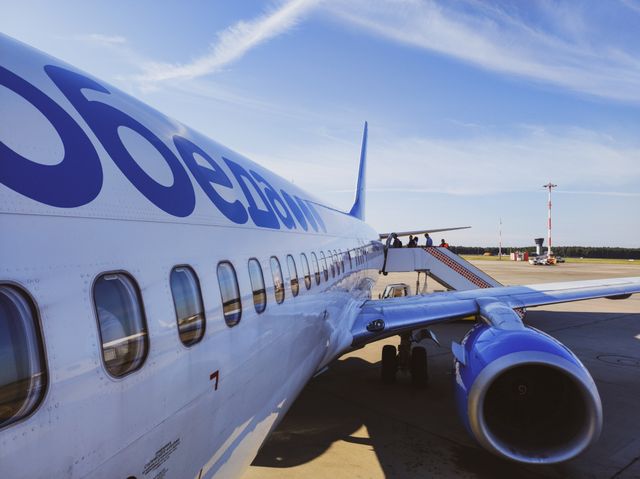
Handrails. Aisle width. The direction a lavatory door swings open. You probably never notice any of it until the day you do. Most people board an aircraft without thinking about how the space was engineered. But accessible aircraft design goes far beyond meeting regulatory requirements. It represents a fundamental shift in how aviation serves passengers of all abilities. As air travel expands and the global population continues to age, accessibility is becoming an increasingly important part of the passenger experience.
Understanding Accessible Aircraft Design
At its core, accessible aircraft design means creating cabin interiors and onboard systems that allow passengers with a wide range of physical abilities to travel comfortably, safely, and independently whenever possible. The concept extends far beyond wheelchair accessibility or larger restroom facilities. True accessibility influences nearly every aspect of the travel experience.
It includes wider aisles that are easier to navigate, lavatories equipped with grab bars and improved maneuvering space, level boarding systems, adjustable armrests, clearly visible signage, and intuitive cabin layouts. Accessibility considerations can affect everything from boarding procedures to emergency communication systems.
When manufacturers integrate accessibility into the design process from the beginning, the benefits extend far beyond travelers with permanent disabilities. Older adults, parents traveling with children, passengers recovering from injuries, and even travelers carrying heavy luggage often find these features helpful. What begins as accessible design frequently becomes better design for everyone.
Expanding Market Reach and Passenger Diversity
Commercial aviation operates in a highly competitive environment. Airlines constantly seek ways to attract new customers while building loyalty among existing travelers. Accessible aircraft design helps accomplish both goals.
Consider the wide variety of passengers flying every day. An older adult using a walker, a parent pushing a stroller, a traveler recovering from surgery, or someone managing a temporary injury may not think of themselves as having accessibility needs. Yet each of these individuals can benefit significantly from thoughtfully designed aircraft cabins.
Improved accessibility can also encourage travel among people who may have previously avoided flying due to physical challenges or concerns about comfort and independence. By reducing barriers throughout the travel experience, airlines can serve a broader and more diverse customer base.
This approach is not simply about meeting social expectations. It can also support stronger customer satisfaction, increased passenger confidence, and expanded market opportunities. A more accessible aircraft creates a more welcoming environment for a larger number of travelers.
Improving Safety and Emergency Response
Safety remains the highest priority in aviation, and accessible aircraft design can contribute directly to safer operations.
During an emergency evacuation, every second matters. Wider aisles and thoughtfully arranged cabin layouts can help passengers move more efficiently toward exits, reducing bottlenecks and improving overall flow. These benefits apply to all travelers, not just those with mobility limitations.
Features such as strategically placed handrails can provide additional stability during turbulence or unexpected aircraft movement. Accessible lavatories and clearly marked pathways can also reduce unnecessary movement throughout the cabin, helping passengers navigate the aircraft with greater confidence.
Aviation professionals and enthusiasts interested in understanding how cockpit ergonomics and cabin layouts influence passenger safety can turn to resources like the credible Pilot John, which explores operational perspectives connecting aircraft design and real-world aviation practices.
Clear signage and intuitive layouts also improve wayfinding during both routine operations and emergency situations. Whether passengers are older adults, families traveling with young children, or individuals managing temporary injuries, accessible design can support safer movement throughout the aircraft.
Enhancing Operational Efficiency and Cost Savings
Many people assume accessibility features only add costs. In reality, accessible design can also improve operational efficiency.
Wider aisles and well-designed cabin layouts can make cleaning, boarding, and deplaning processes more efficient. Faster passenger movement contributes to shorter turnaround times, which can support better schedule performance.
Accessible seating arrangements may reduce boarding delays by making it easier for passengers to reach their assigned seats. Standardized accessibility features can also simplify crew training and improve consistency across an airline’s fleet.
When accessibility is incorporated during the initial design and manufacturing stages, it is often far more cost-effective than making modifications later. Retrofitting aircraft can be expensive and complex, whereas designing with accessibility in mind from the outset allows manufacturers to integrate solutions more efficiently.
As a result, airlines may benefit from reduced long-term costs while simultaneously delivering a better passenger experience.
Building Brand Reputation and Corporate Responsibility
Today’s travelers increasingly evaluate companies based on their values as well as their products and services. Accessible design provides a visible demonstration of an airline’s commitment to serving a diverse customer base.
Airlines that invest in accessibility often receive positive attention from passengers, advocacy organizations, and industry observers. These efforts can generate trust, strengthen customer loyalty, and encourage positive word-of-mouth recommendations.
Accessibility initiatives may also contribute to employee satisfaction. Staff members frequently take pride in working for organizations that prioritize inclusivity and demonstrate genuine concern for passenger well-being.
From an investor and business perspective, accessibility can signal a long-term commitment to customer-focused innovation. As demographic shifts continue and accessibility expectations increase, airlines that embrace inclusive design may be better positioned to meet future demand.
Conclusion
Accessible aircraft design is not a niche accommodation intended for a small group of travelers. It is a comprehensive strategy that benefits passengers, airlines, and the broader aviation industry. By expanding access, improving safety, increasing operational efficiency, and strengthening brand reputation, inclusive design creates value on multiple levels.
Demographic trends suggest that accessibility will only become more important in the years ahead. Older adults, passengers with disabilities, families, and travelers experiencing temporary mobility challenges all stand to benefit from aircraft designed with a wider range of needs in mind.
Anyone who has traveled with a child, assisted an aging parent, or navigated an airport while recovering from an injury has likely benefited from accessibility-focused design, whether they realized it or not. Airlines that continue investing in these improvements are not only meeting evolving expectations. They are helping create a more comfortable, welcoming, and effective travel experience for everyone.
