

Think about your last doctor’s visit. Now think about one from ten years ago. The gap is enormous. Scheduling, diagnosis, and follow-up care: technology has worked its way into every single stage. Patients book through apps, check in on tablets, and pull up lab results through secure portals. Providers tap into your full medical history within seconds. Understanding how all this works helps you move through modern healthcare with more confidence and squeeze more out of your time with a clinician.
Electronic Health Records and Patient Information
EHRs are the backbone of it all. The moment you arrive, your doctor can pull up your complete history, including past diagnoses, current medications, known allergies, and old test results. No retelling the same story at every visit. No critical detail buried in a paper file somewhere. A medication interaction that might have slipped through a decade ago? Caught in seconds now. That alone makes appointments safer, not just faster.
Coordination across providers is where EHRs really shine. Your primary care physician flags a concern, and that note is immediately available to the specialist you see next week. An allergy documented at one appointment shows up as an alert for every provider afterward. Less redundant testing. Faster diagnoses. Think of it as a living portrait of your health, one that travels with you. It doesn’t matter who is treating you or which clinic you’ve walked into. It’s there.
Appointment Scheduling and Reminders
Online scheduling shattered one of healthcare’s oldest friction points. Calling during a narrow window, sitting on hold, or timing your call around someone’s lunch break, all of that is gone. Midnight booking? Completely normal now. Many practices bundle in-person visits, video consultations, and phone check-ins inside a single calendar. Pick whatever fits the situation and move on.
Automated reminders have dramatically reduced no-show rates. A text, an email, or an app notification often includes a direct link to reschedule if something comes up. Practices can request confirmations days ahead, freeing up canceled slots for patients who actually need them. Fewer wasted appointments. Tighter schedules. That efficiency ripples outward. Your doctor sees more patients, and you get quicker access when it matters most.
Diagnostic Tools and Medical Imaging
MRI and CT scanners generate images with a precision that wasn’t even imaginable two decades ago. Digital pathology systems run computer-assisted analysis on lab samples, flagging anomalies human eyes might otherwise miss. By the time your doctor walks into the exam room, they are not guessing. They have concrete evidence about what is happening inside your body.
Outside the office, wearables and home monitors are filling gaps that single-appointment snapshots never could. Blood pressure cuffs, glucose monitors, and heart rate trackers collect data continuously and can feed it directly to your provider before you even arrive. Patterns emerge over weeks. Trends become visible. For patients managing diabetes or hypertension, that longitudinal picture allows for treatment adjustments that are responsive rather than reactive.
When a visit leads to a hospital stay, care coordination doesn’t stop at the door. Hospitals rely on a detail oriented concurrent utilization review platform to monitor care in real time, keeping treatment decisions aligned with clinical necessity as the patient’s condition shifts. It gives clinical teams a structured framework for evaluating whether ongoing services remain appropriate, not just at admission but throughout the entire stay. The result is more consistent, evidence-grounded decision-making for both patients and healthcare organizations.
Telemedicine and Virtual Appointments
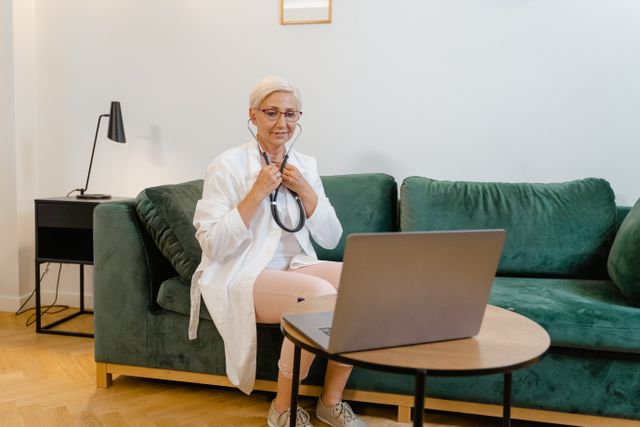
Video consultations have opened healthcare to people who used to face real barriers. Those with mobility challenges. Those in rural areas. Those with schedules that simply don’t bend. Follow-ups, medication adjustments, and results discussions often work just as well over a screen. No commute. No waiting room. Evening and weekend appointments become viable when the provider doesn’t need a physical office open.
That said, telemedicine has limits. A physical exam can’t happen over video. Some concerns require hands-on assessment, full stop. But many practices have found a middle path. Start virtually to gather information and bring the patient in only when an examination is genuinely necessary. It is a smart hybrid approach. Routine check-ins and medication management often don’t require more than a screen, and patients save significant time when they don’t have to travel to confirm what is already working.
Communication After Your Visit
The appointment ends. The technology doesn’t clock out. Secure patient portals put your visit notes, test results, and prescription details on your phone within days, sometimes hours. No waiting for a mailed summary. If something in the notes doesn’t make sense, you can message your care team directly through the portal and get an answer without booking another appointment. That kind of asynchronous communication keeps you genuinely connected between visits, not just when you’re sitting in the exam room.
Prescription management has gotten quieter, in a good way. Electronic prescriptions go straight to the pharmacy. There is no paper slip to lose and no handwriting to misread. Refills happen through an app or a website. Errors drop. Convenience rises. Your doctor can also see which prescriptions you’ve filled, giving them a clearer picture of how closely you’re following a treatment plan, which matters more than many patients realize.
Conclusion
Technology has reshaped the doctor’s appointment from the ground up. Scheduling is more convenient. Records are complete and instantly accessible. Diagnostic tools deliver precision that used to be out of reach. Telemedicine brings healthcare to people who once struggled to access it. Secure communication keeps the relationship with your provider active between visits, not just during them. These tools will continue to evolve. Patients who understand what is available and actively engage with it are likely to get the most out of where healthcare is heading.
