

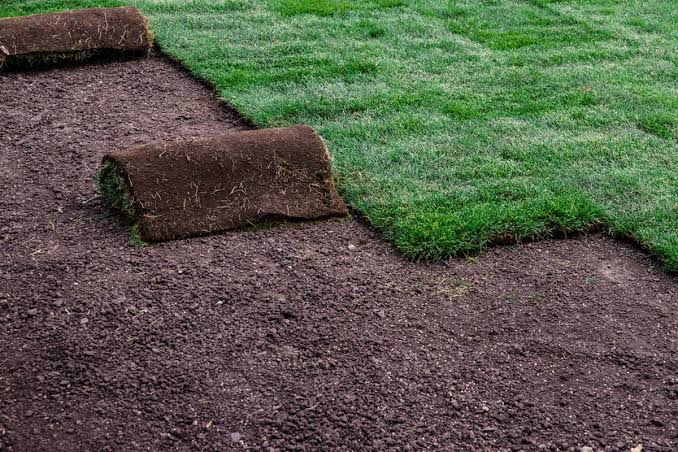
Replacing or establishing a lawn with sod is one of the more significant yard investments a homeowner can make. Unlike seeding, which takes months to establish and requires consistent intervention, sod delivers immediate ground cover. But that immediacy comes with conditions. The quality of the outcome depends less on the sod itself and more on who installs it, how they prepare the ground, and what they’re contractually responsible for afterward.
For homeowners evaluating this kind of project, the challenge isn’t finding someone willing to do the work. It’s knowing what separates a competent installation from one that looks acceptable at first but fails within a season. This guide is written for homeowners who want to make a well-informed hiring decision, understand what they’re paying for, and avoid common contractual gaps that tend to surface after the job is done.
How the Sod Installation Industry Actually Works
The sod installation market in the United States is fragmented. It includes large landscaping companies that offer sod as one of dozens of services, smaller regional crews that specialize in turf and lawn establishment, and independent contractors who operate seasonally. Understanding this structure helps homeowners set realistic expectations before a single quote comes in.
When evaluating sod installation companies, it’s worth recognizing that the term covers a wide range of operational models. Some companies grow or source their own sod directly from turf farms, which can affect both material quality and pricing. Others purchase sod from third-party suppliers and mark it up as part of their labor package. The distinction matters because it affects how much control a company has over what they’re delivering to your yard.
Homeowners researching options can find regional provider listings and service breakdowns through directories like sod installation companies, which allow for comparison across service areas and offerings before committing to an on-site consultation.
What drives cost in this industry is rarely the sod alone. Labor, soil preparation, equipment access, and disposal of existing vegetation account for a substantial portion of most project invoices. Homeowners who receive widely varying quotes for the same square footage are often seeing differences in how each company prices those components, not just the turf itself.
Regional Variation in Sod Types and Availability
The United States covers multiple climate zones, and not every grass variety performs the same way across regions. Warm-season grasses like Bermuda, Zoysia, and St. Augustine thrive in the South and Southwest. Cool-season varieties like Kentucky Bluegrass, Tall Fescue, and Perennial Ryegrass are better suited to northern climates. A company that works primarily in one region may have limited experience sourcing or installing species appropriate for another.
This matters because recommending the wrong grass type for a given climate or soil condition is one of the most common reasons sod fails after installation. A company familiar with your regional conditions will typically ask about sun exposure, drainage patterns, and soil composition before recommending a variety. One that skips these questions is likely working from a standard package rather than your specific site.
Seasonal Timing and Its Effect on Installation Success
Sod can technically be installed in most seasons, but timing significantly affects how well it establishes. Warm-season grasses install most successfully in late spring through early summer when soil temperatures support root development. Cool-season grasses tend to establish better in early fall when temperatures drop and rainfall increases.
Reputable installers will advise homeowners on timing based on their location and grass type. Companies that are willing to install any grass variety at any time of year without discussion may be prioritizing scheduling efficiency over your long-term results. This is one of the early indicators of how a company approaches quality versus volume.
What Ground Preparation Actually Involves
Ground preparation is the most consequential part of any sod installation, and it’s the step most often underestimated or underperformed. The condition of the soil beneath the sod determines whether the roots will knit into the ground properly or remain shallow and vulnerable to stress, drought, and disease.
Proper site preparation typically involves removing existing vegetation, grading the surface for drainage, and amending the soil if necessary to support root establishment. According to the United States Department of Agriculture, soil structure and organic matter content directly influence turf grass establishment and long-term health. Compacted or nutrient-deficient soil can prevent even high-quality sod from taking root successfully.
The Problem with Minimal Prep
Some contractors reduce preparation time to lower their bid. They may till only the surface layer, skip soil testing entirely, or install sod directly over existing grass. In the short term, this can look acceptable. Within a season, problems become visible — uneven settling, poor color retention, patchy die-off in areas where roots failed to establish, and drainage issues that weren’t addressed during installation.
When reviewing a quote, the line items for site preparation should be specific. If a proposal simply lists “prep work” without detail, ask the company to explain exactly what that includes. How deep will they till? Will they remove thatch and debris? Is soil amendment included or offered as an add-on? The answers reveal how much attention a company plans to give the foundation of your project.
Reading Quotes and Understanding What You’re Actually Paying For
A sod installation quote is not a simple document. It’s a record of assumptions about your property, the materials being used, and the scope of labor. Homeowners who accept the lowest bid without reviewing the scope of work often find themselves paying separately for things they assumed were included.
The most common areas where quotes differ include soil amendment, sod variety specification, disposal of existing material, watering setup, and post-installation support. A higher quote that includes soil preparation, quality turf sourcing, and a follow-up inspection may represent better overall value than a lower bid that covers only labor and basic materials.
Comparing Quotes on Equal Terms
To compare quotes meaningfully, homeowners should request that each company specify the same set of line items. This includes the sod variety and its origin, the depth and method of soil preparation, any grading or drainage work, cleanup and material disposal, and any warranty or follow-up visit included in the price.
When these items are broken out separately, the real cost differences between companies become clear. A company charging more per square foot may be including services another company charges for separately — or excludes entirely. This kind of structured comparison protects homeowners from making decisions based on incomplete information.
Questions to Ask Before Signing Any Contract
The conversation before a contract is signed tells a homeowner a great deal about how a company operates. Companies that answer questions clearly and without defensiveness typically run tighter operations. Those that deflect, generalize, or push for quick commitment may not have the operational consistency to back up their bids.
Practical questions that reveal operational quality include asking how the sod is sourced and how recently it was cut before delivery. Sod that sits on a pallet for more than 24 to 48 hours begins to deteriorate, and freshness affects how quickly it establishes. Homeowners should also ask whether the installation crew is employed directly by the company or subcontracted, since subcontracting can introduce inconsistency in how the work is performed.
Warranty Terms and What They Actually Cover
Many companies offer some form of sod warranty, but the terms vary significantly. Some warranties cover only manufacturing defects in the sod itself. Others cover installation failures, such as sections that die due to improper grading or insufficient root contact. Some exclude any warranty if the homeowner doesn’t follow a specific watering schedule.
A clear warranty should state the duration of coverage, what conditions void the warranty, who is responsible for determining whether a failure falls under warranty, and what the company will do if failure occurs — replace sod, provide a credit, or simply advise. Any warranty without these specifics is functionally unenforceable and should be treated as a goodwill gesture rather than a meaningful protection.
Contract Basics That Protect Both Parties
A written contract is essential for any sod installation project. Verbal agreements about scope, materials, or timeline carry no legal weight if something goes wrong. The contract should define what work will be done, when it will begin and be completed, what materials will be used, what the total cost is and when payment is due, and what happens if either party fails to meet their obligations.
Payment structures in sod installation typically involve a deposit before work begins, with the remainder due on completion. Be cautious of companies requiring full payment upfront. This removes much of the financial accountability that keeps contractors motivated to complete work to the agreed standard. A partial deposit — typically between twenty and thirty percent — is a reasonable industry norm.
Change Orders and Scope Creep
Projects sometimes expand once work begins. Crews may discover compacted subsoil that requires additional amendment, or drainage issues that weren’t visible during the initial assessment. These situations are normal, but they should be handled through a formal change order — a written document that outlines the additional work, its cost, and the homeowner’s approval before that work begins.
Companies that proceed with additional work without written approval and then add charges to the final invoice are a serious concern. A professional contractor will stop, communicate the issue, explain what’s needed, and obtain written consent before continuing. Homeowners should insist on this practice from the outset, and the original contract should include language requiring it.
What to Expect After Installation Is Complete
The first few weeks after sod is installed are the most critical for establishment. The sod needs consistent moisture, minimal foot traffic, and time for the roots to grow into the underlying soil. A company that provides clear written instructions for this period is demonstrating investment in the long-term outcome — not just the appearance of the job on the day they leave.
Most reputable sod installation companies will schedule at least one follow-up contact after installation to check on root establishment and address any sections that may be struggling. This follow-up isn’t always included automatically, so homeowners should ask whether it’s part of the project scope and confirm it in writing before work begins.
Closing Thoughts
Hiring for sod installation is not simply a matter of finding the lowest price or the fastest availability. The decisions made before a single roll of turf is placed — how the ground is prepared, which variety is selected, what the contract specifies, and what accountability is built in — determine whether the investment holds up over time or becomes a source of ongoing frustration.
Homeowners who approach this process with the same rigor they’d apply to any significant home improvement project tend to get better outcomes. That means asking direct questions, reading proposals carefully, and insisting on written documentation for every commitment made. The extra time spent in the evaluation phase consistently produces better results than the time and cost involved in addressing an installation that was rushed or underspecified from the start.
