

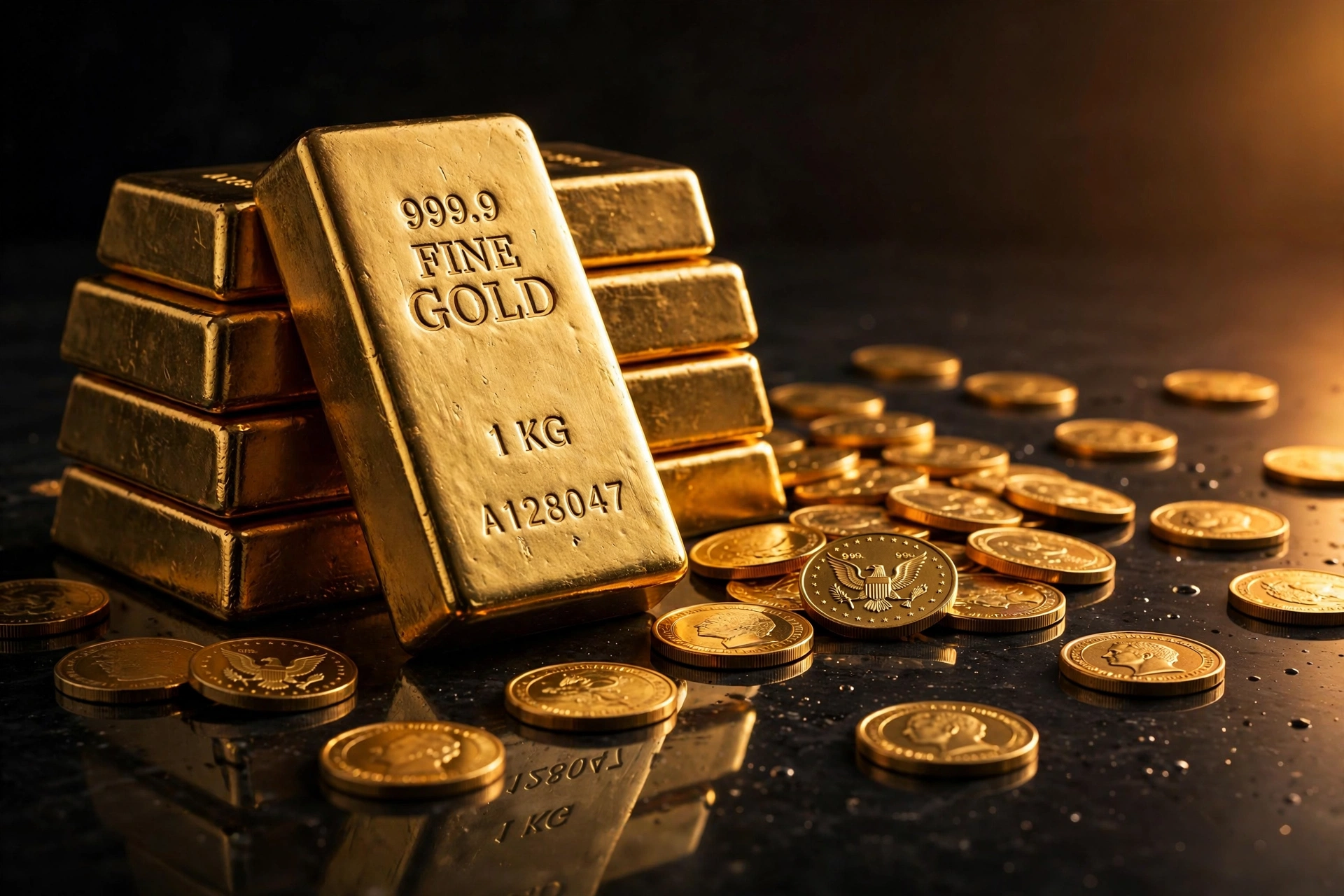
Gold has spent much of the past two years doing something it rarely does: making headlines for smashing record after record. The metal has climbed to successive all-time highs, dragging silver and platinum along with it, and the rally has drawn in an unusual coalition of buyers — central banks, professional investors and ordinary savers who simply want an asset that feels solid in an unsettled world.
To understand the run, it helps to look at who is buying and why. None of the major drivers is speculative froth of the kind that ends in tears. Instead, several slow, powerful forces have lined up at the same time, and each one has proved remarkably persistent.
Central banks are the quiet giants of this market
The single biggest force is official buying. Central banks — particularly in emerging markets — have been purchasing gold at a pace not seen in half a century, diversifying reserves away from the dollar amid sanctions, trade tensions and geopolitical friction. The World Gold Council has documented the trend quarter after quarter: when the world’s most cautious institutions treat gold as strategic insurance, a high floor forms under the price.
Layered on top is the interest-rate story. Gold pays no yield, so it competes with bonds and savings accounts. When markets expect rates to fall, the opportunity cost of holding gold shrinks and the metal tends to shine. Add stubborn pockets of inflation, heavy government borrowing in the major economies and periodic stock-market wobbles, and the case writes itself for portfolio managers looking for an asset that behaves differently from everything else they own.
Silver and platinum get pulled along
Gold’s cousins have enjoyed their own surges. Silver, half precious metal and half industrial input for solar panels and electronics, has combined monetary demand with a genuine supply squeeze. Platinum has benefited from years of underinvestment in mines. Analysts quoted by Reuters note that when gold leads, the rest of the complex usually follows — though with sharper swings in both directions, which makes them exciting and dangerous in equal measure.
What could end the rally
Nothing rises forever, and gold is no exception. A sustained period of calm geopolitics, a surprise return to higher-for-longer interest rates, or a sharp recovery in confidence in paper assets could all take the shine off. Jewellery demand, historically the market’s backbone, also suffers when prices get this high, as buyers in India and China postpone purchases.
Seasoned investors offer a calmer framing: gold is less a bet on getting rich than a hedge against things going wrong — currency debasement, financial accidents, political shocks. Judged that way, its record price is partly a mirror held up to the anxieties of the age. Whether the rally continues depends less on the metal itself than on whether those anxieties fade.
What ordinary investors should make of it
Financial advisers draw a distinction between owning gold as a strategy and chasing it as a headline. A modest allocation — often suggested in the range of five to ten percent of a portfolio — can smooth returns when shares and bonds fall together, which is precisely when diversification is most valuable. Beyond that size, the metal’s long flat stretches and sharp corrections start to dominate rather than cushion a portfolio.
How you hold it matters too. Physical coins and bars carry premiums, storage and insurance questions. Exchange-traded funds offer convenience but introduce counterparty and fee considerations. Jewellery, in most cultures, is the worst investment vehicle of all: beautiful, emotionally valuable, and sold back at a steep discount to its purchase price. Timing, finally, is the trap. The investors hurt most in past gold cycles were those who bought in a panic at peak fear and sold in despair at the bottom. A record price is a reason for discipline, not urgency.
For everyday savers, the practical advice from advisers remains unchanged: treat precious metals as one diversifying slice of a portfolio, not the whole story, and be wary of buying in a rush at headline prices. For more market and money coverage, visit Reliable News Daily.
