

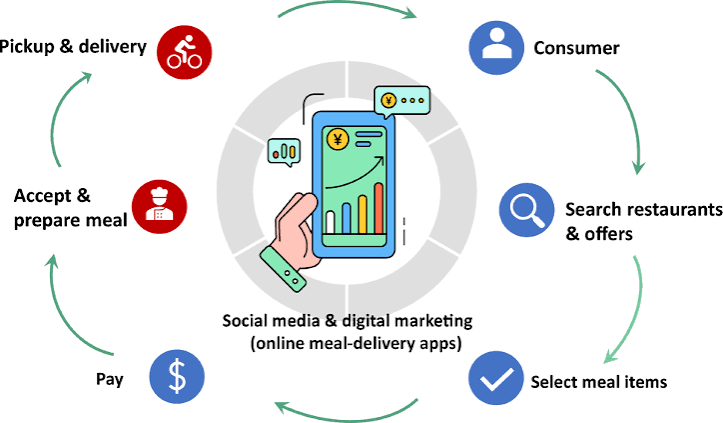
The gig economy in India has matured considerably over the last several years, and food delivery has become one of the most accessible entry points into flexible, income-generating work. For people who own a two-wheeler and hold a valid driving licence, delivery work offers a genuine path to immediate earnings without lengthy hiring processes or institutional gatekeeping. Zomato, as one of the country’s most active food delivery platforms, runs a continuous onboarding cycle to keep up with order volumes across cities large and small.
What most applicants do not realise is that the time between applying and completing a first delivery can be compressed significantly — sometimes within two days — if the process is followed correctly. The bottlenecks are almost never on Zomato’s end. They arise from incomplete documentation, unclear expectations about vehicle requirements, or confusion about which onboarding centre to visit. Understanding how the process works, step by step, removes those delays before they occur.
What the Zomato Delivery Partner Program Actually Involves
Before committing time to any application, it helps to understand what the role entails structurally. Zomato delivery partners are not employees in the traditional sense. They operate as independent service providers who log in during preferred hours, accept orders based on availability, and are compensated per delivery with performance-based incentives layered on top of the base rate. This structure gives partners meaningful control over their schedule, but it also means earnings are directly tied to hours logged and order completion rates.
For anyone evaluating whether this work fits their current situation, detailed listings and service information are available through resources like zomato delivery jobs, which consolidates what the role looks like across different cities and what partners can realistically expect from the arrangement.
The work itself is physically active and time-sensitive. Orders must be picked up from restaurant partners within specific windows and delivered while still within acceptable temperature conditions. The job rewards people who are familiar with local roads, responsive to the app’s navigation prompts, and consistent in their availability during peak hours — typically lunch and dinner service periods.
The Role of Incentive Structures in Daily Earnings
Zomato’s payment model is built around a base delivery fee supplemented by additional earnings tied to performance milestones. Partners who complete a set number of deliveries within a defined period qualify for bonuses. During surge conditions — high order volumes, adverse weather, or peak season periods — rates increase to reflect the additional demand.
Understanding this structure matters before starting because it changes how a partner should approach their working hours. Logging in sporadically at low-demand hours produces a very different income outcome than working consistently through lunch and dinner rushes. Partners who treat the role with the same discipline they would apply to a fixed-hours job tend to see more predictable earnings week over week.
Documentation and Eligibility: Getting These Right the First Time
The single most common reason onboarding takes longer than necessary is incomplete or mismatched documentation. Zomato’s verification process is thorough, and submissions that contain errors — even minor ones like a name mismatch between documents — are returned for correction, which adds days to the process. Preparing all documents in advance, and checking them carefully before submission, is the most effective way to stay on a 48-hour timeline.
The core documents required are consistent across most cities, though regional variations exist. Applicants should have these ready before beginning the registration process:
• A valid driving licence that covers two-wheeled vehicles and is current — not expired or due for renewal within the near term.
• An Aadhaar card, which serves as the primary identity verification document and must match the name on other submitted paperwork.
• A PAN card, required for payment processing and tax compliance purposes under Indian financial regulations.
• Vehicle registration documents showing the applicant as the registered owner, or accompanied by a no-objection certificate if the vehicle belongs to a family member.
• A valid vehicle insurance certificate — this is a non-negotiable requirement and must cover the delivery period, not just personal use.
• A passbook or cancelled cheque from a bank account held in the applicant’s name, as earnings are deposited directly rather than paid in cash.
Photographs of these documents should be clear, well-lit, and taken against a plain background. Blurry or angled scans are a common point of rejection during the digital submission phase.
Vehicle Eligibility and Its Practical Implications
The vehicle used for deliveries must meet certain practical standards, even if Zomato does not publish an exhaustive technical checklist. Vehicles that are mechanically unreliable, visibly damaged, or lacking valid registration are grounds for rejection during the onboarding inspection. Beyond formal eligibility, the condition of the vehicle directly affects daily earning potential — a breakdown mid-delivery results in a failed order, which impacts completion metrics and, by extension, incentive eligibility.
A partner’s vehicle is also their primary operational tool. Keeping it in consistent working condition — tyres, brakes, indicators, and fuel — is part of managing the job professionally. Partners who neglect basic maintenance find that downtime compounds quickly and erodes the income advantages the role otherwise offers.
The Application and Registration Process, Stage by Stage
Zomato’s registration process is largely digital and can be initiated through their delivery partner app, available on both Android and iOS platforms. The app guides applicants through form completion and document uploads in a structured sequence. Once submitted, the review process typically runs within a business day if documentation is complete and legible.
After digital verification, applicants are directed to an onboarding centre — Zomato maintains these in most active service cities — where physical document verification takes place, a delivery bag is issued, and partners receive a brief orientation covering app usage, order flow, and conduct guidelines. This in-person step is where many applicants lose time, either by visiting without an appointment or arriving without all original documents for manual verification.
What the Onboarding Session Covers and Why It Matters
The onboarding session is not a formality. It is a practical briefing that covers how the delivery app functions in real conditions, how disputes or delivery issues are escalated, what the rating system measures, and how earnings are calculated and deposited. Partners who pay attention during this session start their first week with fewer operational problems than those who treat it as an administrative hurdle.
According to general employment onboarding research, including findings referenced by institutions such as the International Labour Organization, workers who receive structured orientation in gig and platform-based roles demonstrate higher retention and fewer early-stage performance issues. This holds in food delivery as much as in any other sector.
The First 48 Hours After Activation
Once a partner’s account is activated in the app, they can begin accepting orders immediately. The first 48 hours are practically significant because early performance data influences how the algorithm assigns and prioritises order offers. Partners who log in promptly, maintain a consistent acceptance rate, and complete their first batch of orders without incidents establish a positive baseline that carries forward into subsequent weeks.
It is also worth understanding the geographic logic of how orders are distributed. Partners who position themselves near high-density restaurant clusters — typically around commercial areas, food courts, or market zones — receive more frequent order requests than those waiting in low-traffic residential zones. City-specific knowledge gives experienced delivery partners a real operational advantage that no app setting can replicate.
Managing the First Week Effectively
The first week of active delivery work functions as an informal calibration period. Partners learn which hours in their specific city generate the most orders, which restaurant locations have reliable pickup processes, and how their own stamina holds up against sustained delivery schedules. Most experienced partners recommend treating the first week as a learning phase rather than a maximum-earnings sprint, building habits that support sustainable, consistent output rather than burning out early.
Tracking hours worked against earnings received during this period also helps partners decide whether to expand their availability, shift peak-hour focus, or explore adjacent city zones where demand patterns may differ.
Considerations Before You Apply
Anyone approaching this decision should do so with a realistic picture of what the role requires. The income potential is real and documented by active partners across the country, but it is not passive. It scales with hours, physical availability, and local familiarity. The role suits people who need flexible, immediate income and have a reliable vehicle — it is less suited to those expecting fixed hours, guaranteed minimums, or structured advancement within a traditional employment framework.
The application barrier is genuinely low compared to most forms of employment. There is no interview, no prior experience requirement, and no extended waiting period if documentation is in order. For those who meet the basic eligibility criteria, the path from decision to first delivery can realistically be completed within two days.
Closing Thoughts
Zomato’s delivery partner program is one of the more accessible and operationally well-structured entry points into platform-based work available in India today. The 48-hour timeline from application to activation is achievable — not as a marketing claim, but as a practical outcome when the process is followed without gaps. The variables within a candidate’s control are straightforward: complete documentation, a roadworthy vehicle, and prompt follow-through at each registration stage.
What happens after activation depends almost entirely on the partner’s own habits — consistency, local knowledge, and attention to the incentive structure. Those who approach the role with the same seriousness they would bring to conventional employment tend to get the most reliable results from it. The opportunity is available; the outcome is determined by how seriously the work is treated from the first day.
